
Blydepoort Dam - one of Limpopo’s best-kept secrets
Blydepoort Dam offers a quieter counterpoint to Limpopo’s better-known landmarks, combining water, layered escarpment views, and a strong sense of peace.
🔴 You might also like to read:
 Mariana Balt
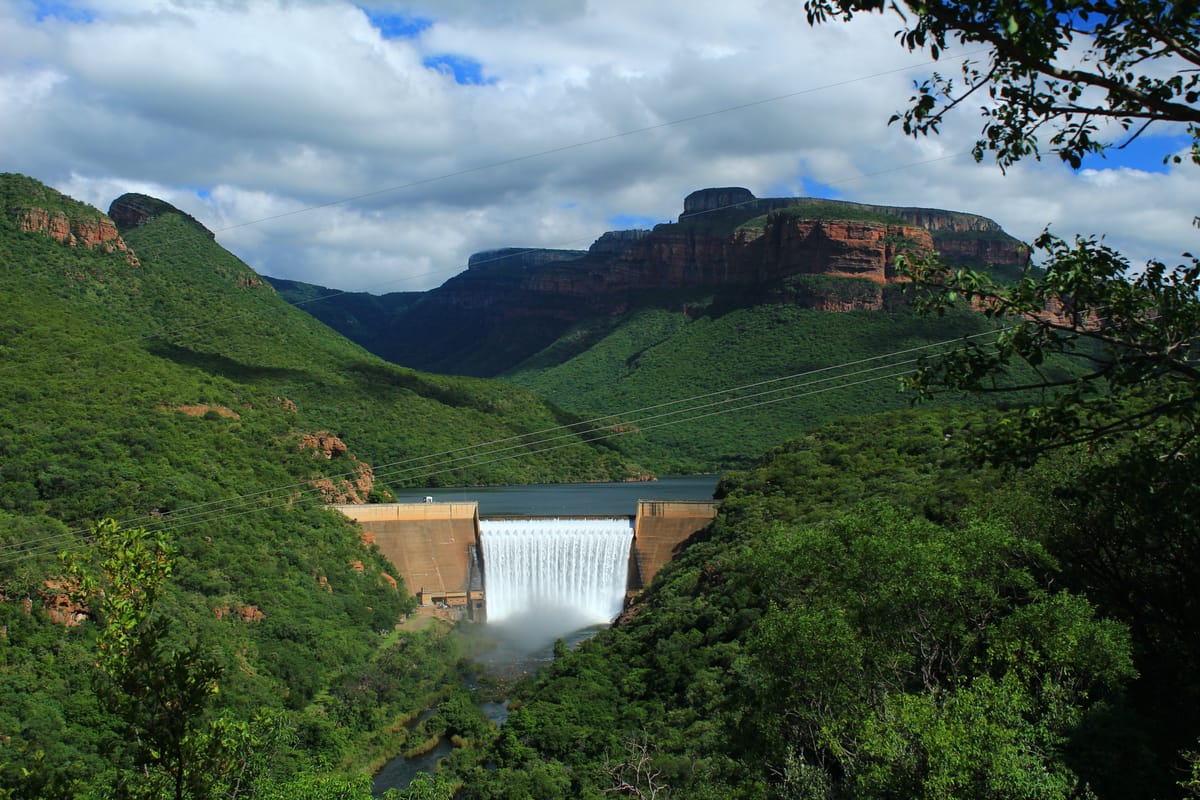
Blydepoort Dam, often called the Blyde River Dam, lies quietly at the northern edge of the Blyde River Canyon Nature Reserve. It sits between the Drakensberg escarpment and the Lowveld, collecting the clear waters of the Blyde River just downstream from the canyon itself.
Many travellers pass nearby on the R36 between Hoedspruit and Ohrigstad, unaware of the gem waiting beyond the turn-off.
The dam was completed in 1974 and remains one of South Africa’s largest earth-fill dams. Its scale becomes apparent slowly. From the water’s edge, the surface appears calm and contained. From higher ground, particularly near Swadini, the dam stretches into a long, reflective corridor framed by steep green slopes.
The surrounding vegetation shifts between indigenous forest, grassland, and rocky outcrops, shaped by altitude and seasonal rainfall.
Unlike more publicised landmarks along the Panorama Route, Blydepoort feels unhurried. No crowds are gathering for a photograph. Instead, there is space for anglers launching small boats at first light, for families picnicking near the shoreline, and for travellers who prefer silence to spectacle. Fish species such as tilapia and catfish thrive here, sustaining a quiet local fishing culture that has endured for decades.
Water activities remain understated. Boat cruises operate without fanfare, offering a gentle way to understand the geography of the dam and the cliffs that hold it in place.
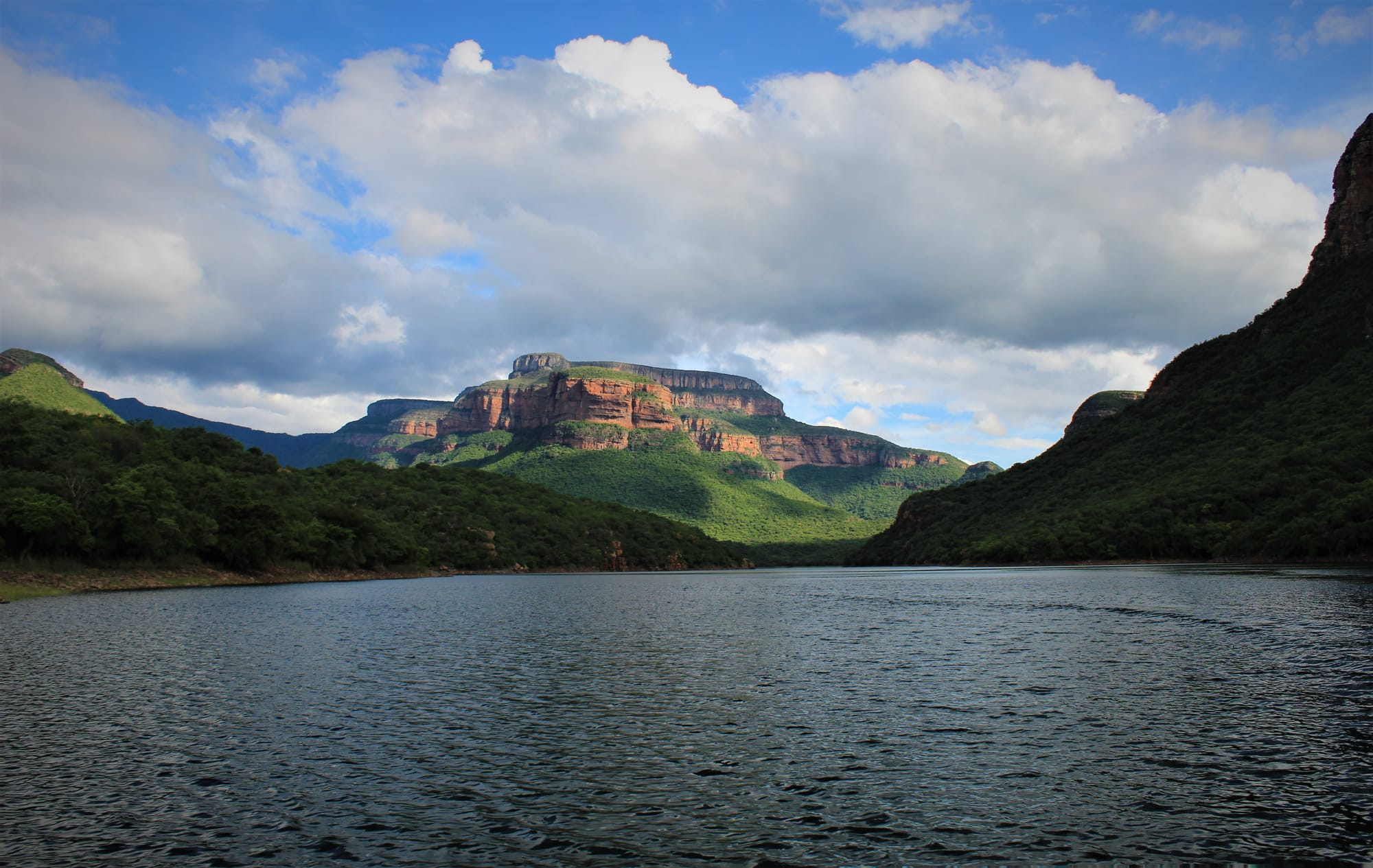
From the water, the escarpment reveals itself in layers, with the higher reaches of the Drakensberg rising softly rather than dramatically. This is a landscape that rewards attention rather than urgency.

The dam also plays a practical role in the region. It supports irrigation schemes that feed farms across the Lowveld and contributes to water security in Limpopo. This functional importance grounds the destination in everyday life, reminding visitors that beauty and utility often share the same space. Nearby settlements rely on the dam in ways that extend far beyond tourism.
Accommodation in the area reflects this understated character. Swadini, perched above the dam wall, offers chalets and campsites with expansive views across the water. Elsewhere, small lodges and self-catering options blend into the landscape, prioritising position over luxury. Evenings here tend towards quiet conversations, distant bird calls, and the slow fade of light across the dam’s surface.
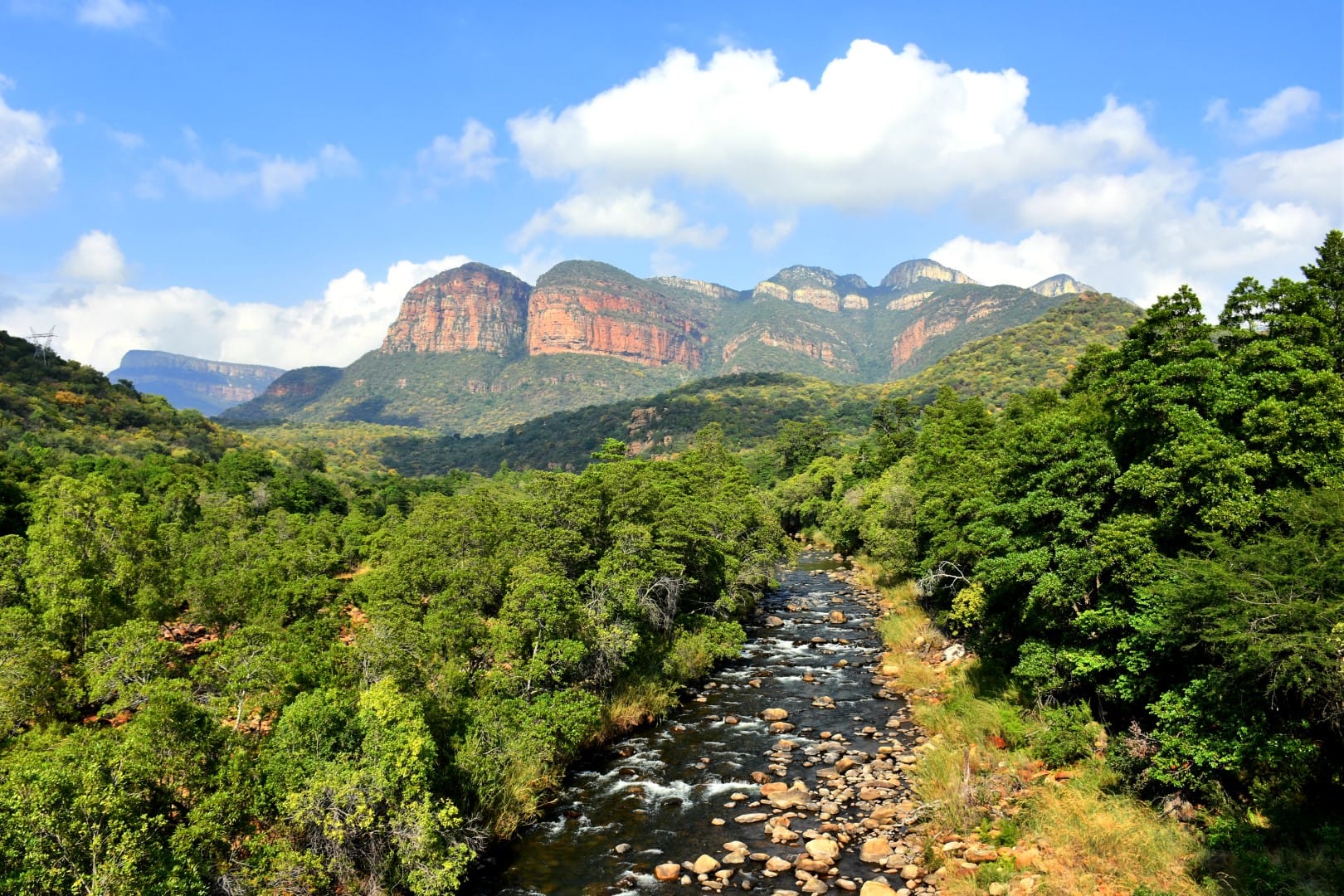
Blydepoort Dam is not a destination that announces itself. It waits, steady and unassuming, for travellers willing to turn off the main road and stay a little longer. In doing so, it reveals a side of Limpopo that resists urgency and values continuity, where water, land, and human presence settle into a shared rhythm.
🔴 You might also like to read:
 Mariana Balt
 Mariana Balt


Comments ()