
Best places to camp in SA before winter arrives
From Kruger’s wildlife-rich camps to De Hoop’s coastal dunes and the Drakensberg’s towering cliffs, cooler days and quieter sites create the perfect outdoor escape during autumn.
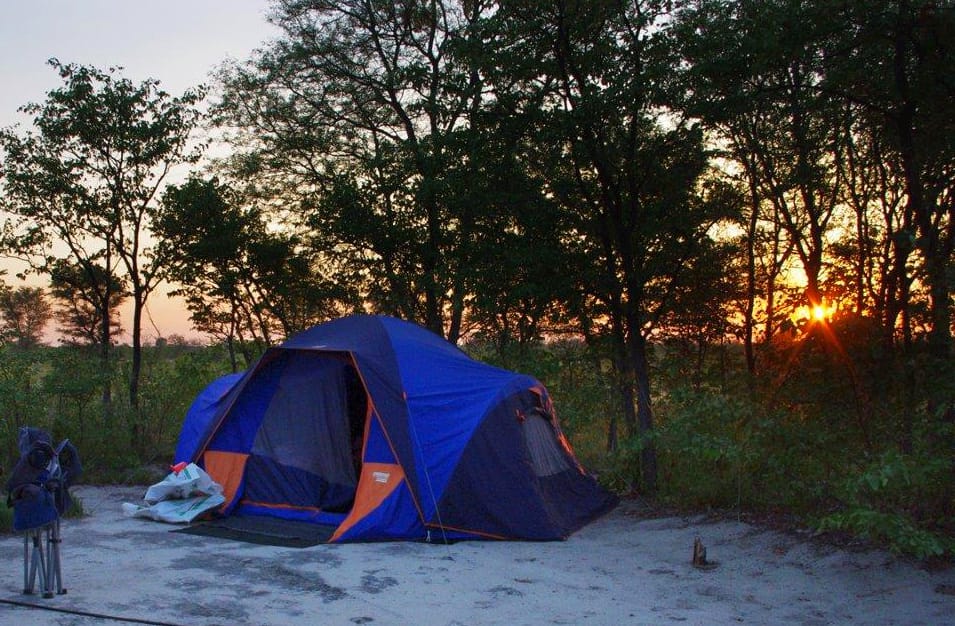
From March to May, it is autumn in South Africa, with cooler evenings, stable weather patterns and landscapes shifting from green to gold. Campsites empty out after the summer rush, leaving space to hear birdsong at dawn and jackals calling at night. For campers, this is prime time.
Within Kruger National Park, autumn offers some of the year’s finest game viewing.
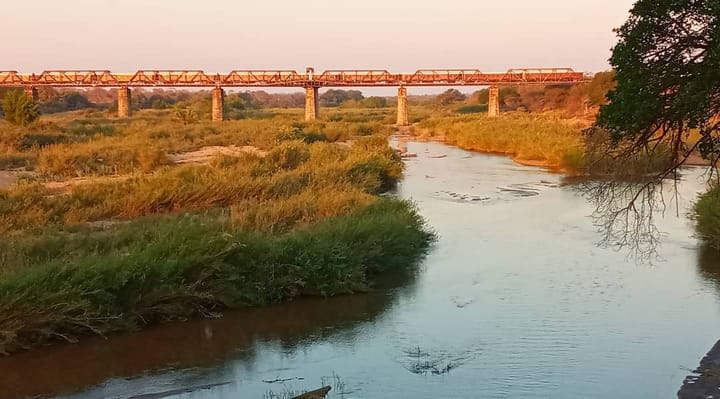
Summer rains taper off, water sources begin to shrink, and wildlife congregates around rivers such as the Sabie and the Letaba. Camps like Lower Sabie and Satara balance accessibility with strong predator sightings. Daytime temperatures are comfortable, often between 25 and 30 degrees Celsius, while nights are cool enough for a proper campfire.
In the Western Cape, De Hoop Nature Reserve provides coastal camping framed by fynbos and limestone cliffs. The Otter and Koppie Alleen campsites place tents within walking distance of dunes and tidal pools. Autumn light sharpens the blues of the Indian Ocean, and strong summer winds subside. Whale season has not yet begun, yet birdlife remains abundant.
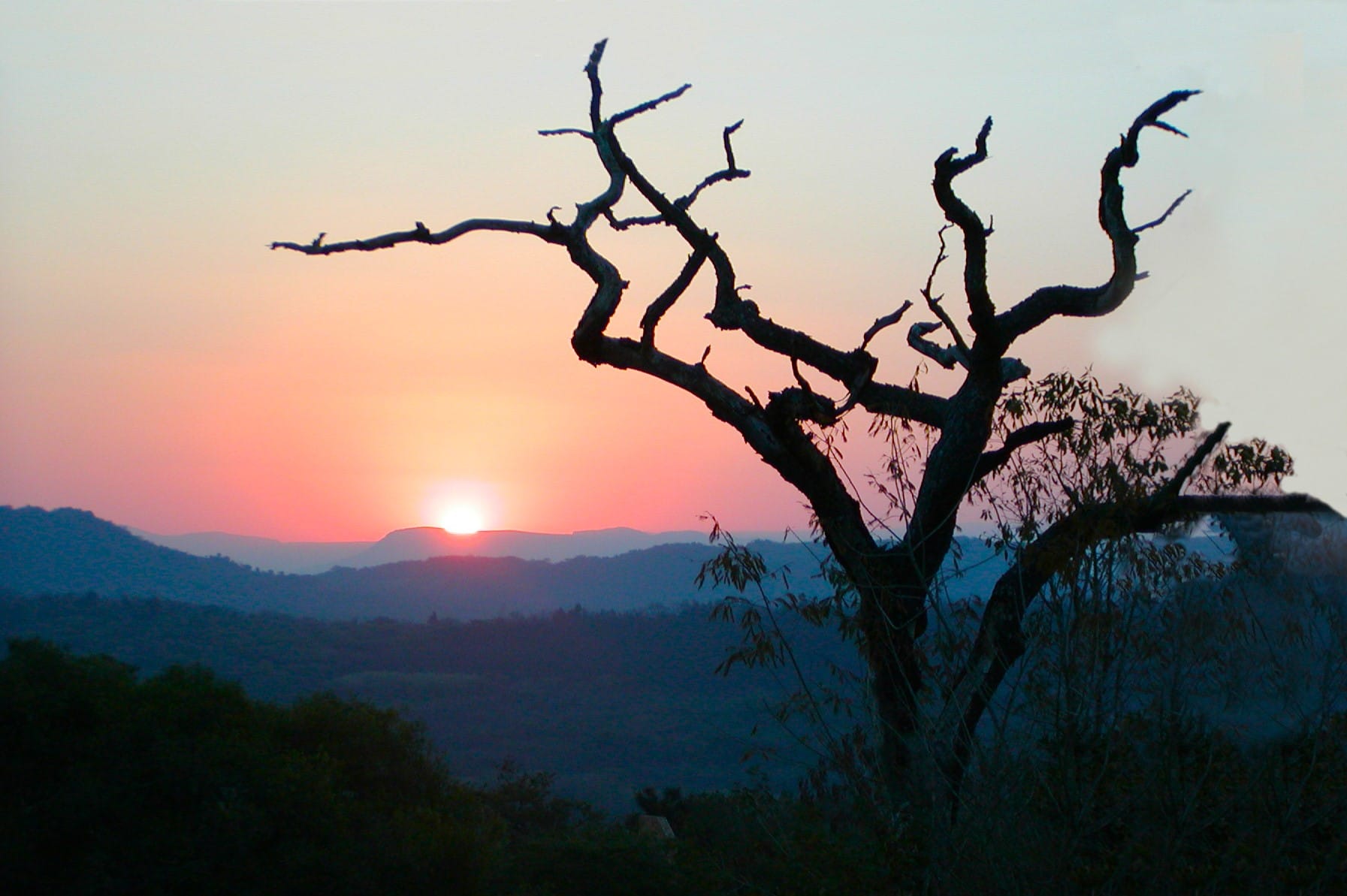
Further north in the Cederberg, Algeria campsite near the R364 sits beneath sandstone formations and citrus orchards. Hiking trails to Maltese Cross and Wolfberg Arch are more pleasant in cooler weather. Rock art sites scattered through the mountains tell stories thousands of years old. Campers wake to crisp air and the scent of dry earth.
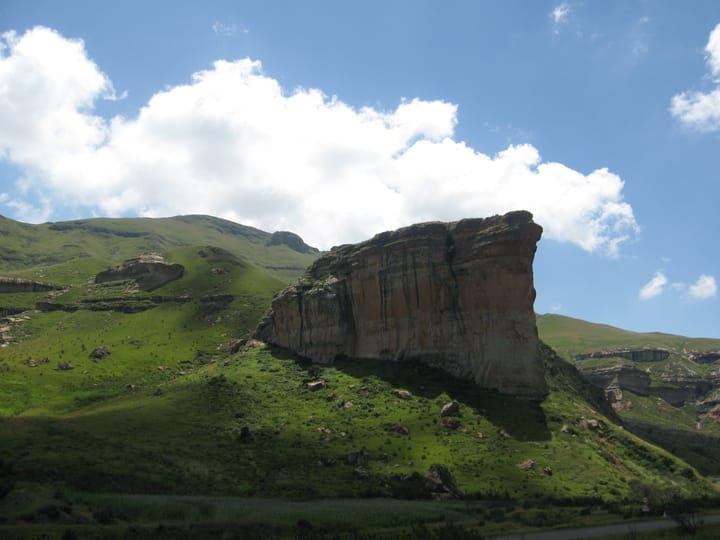
KwaZulu-Natal’s Drakensberg region deserves attention in autumn. In Royal Natal National Park, campsites lie beneath the Amphitheatre, a dramatic basalt wall rising over five kilometres in length. Summer thunderstorms diminish by April, leaving clearer skies for hiking to Tugela Falls. Evenings drop sharply in temperature, so warm sleeping bags are essential.
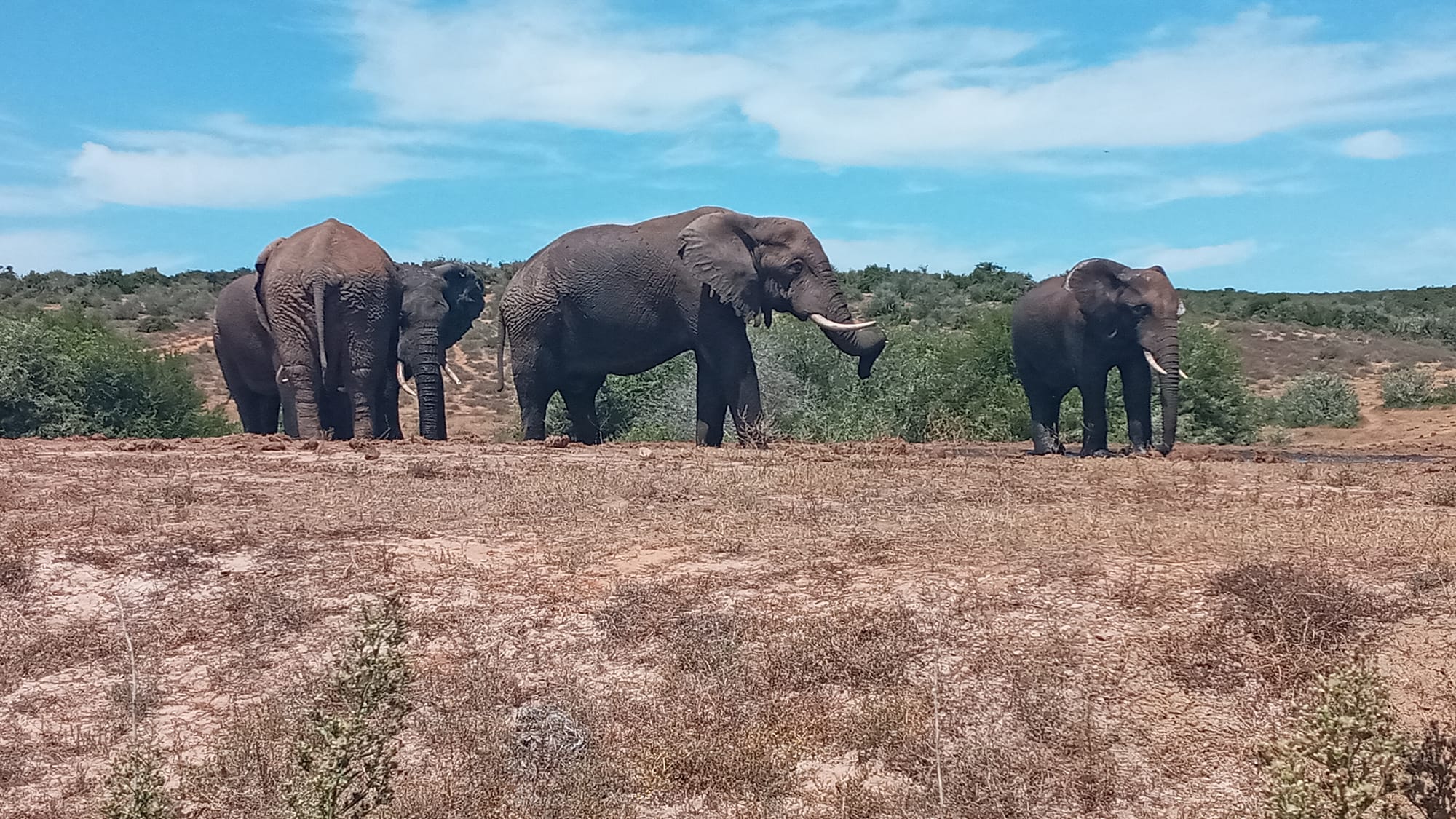
The Eastern Cape’s Addo Elephant National Park offers another compelling autumn option. The park’s main rest camp provides shaded stands and easy access to wildlife loops. As vegetation thins slightly, elephant sightings around waterholes increase. The nearby Sundays River Valley adds citrus-scented breezes to the experience.
Distance and access matter for planning. From Johannesburg to Kruger’s southern gates is roughly 400 to 500 kilometres, depending on the entry point. Cape Town to De Hoop covers about 260 kilometres via the N2 and R319. Durban to Royal Natal National Park takes around three hours by road through the N3 and R74.
Autumn camping succeeds because of balance. Summer’s intense heat fades, yet winter’s cold has not fully settled. Campsites feel sociable without being overcrowded. Photographers benefit from softer light and clearer horizons.
Preparation remains crucial. Many parks require bookings, particularly over Easter weekends. Firewood regulations vary, and collecting wood inside reserves is prohibited. Respecting quiet hours and wildlife boundaries ensures that shared spaces remain pleasant for all.
Modern Western travellers often associate African travel with luxury lodges. Camping reveals a different rhythm. Dawn arrives with francolin calls rather than alarm clocks. Supper simmers over coals. Night skies stretch unpolluted above canvas roofs.
Autumn highlights this simplicity. The air carries a hint of change. Leaves turn in highland forests. Dust settles on gravel roads. Choosing the right campsite becomes less about escaping crowds and more about reconnecting with the landscape.
South Africa’s diversity means that in one season you can fall asleep near elephants in Mpumalanga, wake to crashing waves in the Western Cape, and hike beneath basalt cliffs in KwaZulu-Natal. Autumn ties these experiences together with steady weather and generous light.
Comments ()