
Are you spending Christmas Day on the road?
Spending Christmas Day on the road reveals a quieter, more grounded version of the season. Across SA’s long routes and changing landscapes, travel becomes part of the celebration rather than a delay to it.

🔴 You might also like to read:
 Mariana Balt
 Mariana Balt
Christmas Day on the road is not a compromise. For many South Africans, it is a deliberate choice shaped by distance, geography, and the quiet understanding that movement itself can hold meaning.
While tables are being set in suburbs and small towns, thousands of vehicles ease onto national routes, heading towards coastlines, bushveld reserves, or family homes scattered across provinces.
The morning often begins before sunrise. Johannesburg thins out quickly on Christmas Day, the N1 northbound already warm with headlights moving steadily towards Polokwane and Limpopo. Southbound, the same road carries travellers towards the Free State and onward to the Western Cape.
The N4 east hums with holiday traffic descending into Mpumalanga, where the air shifts and the land opens into citrus farms and rolling Lowveld hills. These routes are familiar, yet on Christmas Day, they feel strangely personal, as though everyone has quietly agreed to share the same intention.
Spending Christmas on the road sharpens awareness of place. Toll plazas become markers of progress rather than inconvenience. A stop near Alzu or Machadodorp carries its own rhythm, families stretching legs, children clutching cold drinks, and the smell of coffee drifting through the heat already building. Conversations are lighter. Expectations soften. There is less urgency to arrive at a specific hour, more acceptance of the journey as part of the day itself.
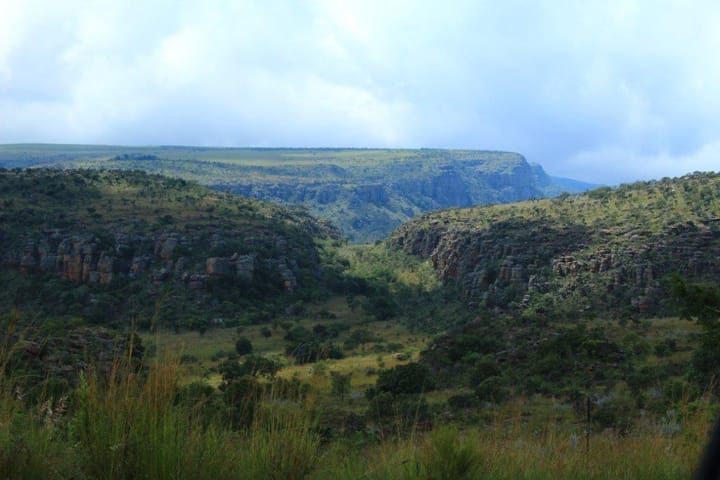
The landscapes offer their own version of celebration. The Highveld lies open and sunlit, grasslands stretching beyond sight. Further east, rivers such as the Olifants and Crocodile run full after early summer rain, their banks alive with colour and movement. Coastal travellers following the N2 pass through long corridors of forest and farmland, with towns like Storms River and Wilderness quietly preparing for afternoons that will spill onto beaches and decks.
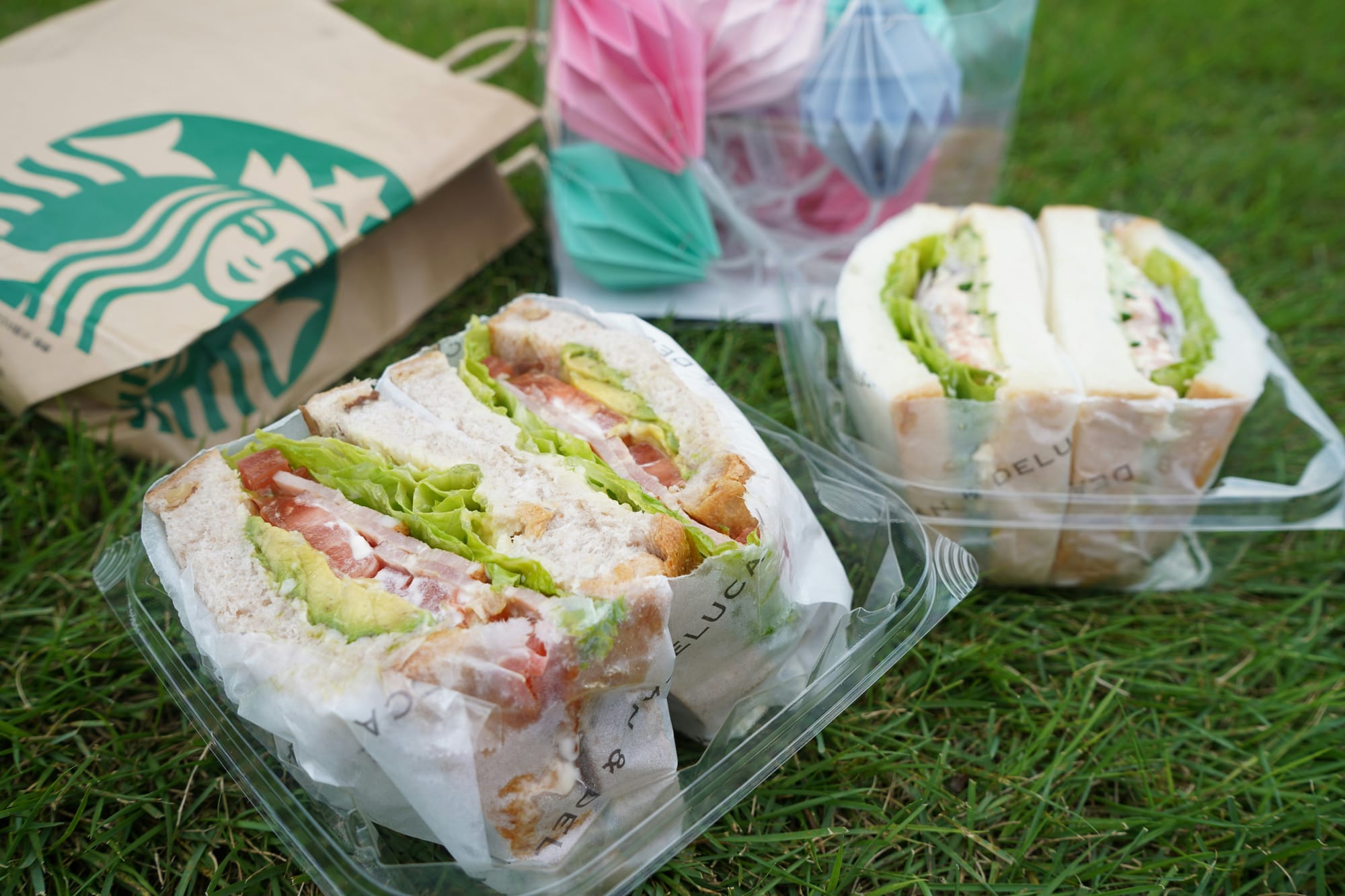
Christmas lunch on the road is rarely formal. It arrives as a picnic under a thorn tree, a takeaway meal balanced on a dashboard, or sandwiches shared at a scenic pull-off overlooking a valley. These meals are modest, yet memorable. They strip the day back to its essentials: food, company, and the knowledge that somewhere ahead, a place of rest is waiting.
There is a particular calm that settles in during the afternoon hours. Traffic eases slightly. The sun sits high and uncompromising. Radios switch between music and familiar voices calling in festive greetings. Even those travelling alone feel part of a wider movement, connected by road markings, shared patience, and the unspoken understanding that this is how the day has been chosen.
Christmas on the road also reframes time. Without a fixed table or set schedule, the day stretches. A delay becomes a chance to notice the colour of the land. A wrong turn turns into a detour worth taking. Travel strips away the pressure to perform a celebration in a prescribed way. It allows the day to unfold at its own pace.
Arrivals are quieter too. There is no rush to impress. A key turns in a lock. Bags are set down. Shoes come off. Whether the destination is a family home, a coastal cottage, or a rest camp near a reserve gate, the sense of arrival feels earned rather than staged. Christmas evening often passes gently, marked by tired smiles, shared stories of the road, and the relief of stillness after motion.
Choosing to spend Christmas Day travelling is not about avoiding tradition. It is about reshaping it. In a country defined by distance, movement becomes a language of care and intention. The road carries people towards connection, even when that connection waits a few hundred kilometres away.
For those who know it well, Christmas on the road is not something to endure. It is something to return to.
🔴 You might also like to read:
 Mariana Balt
 Mariana Balt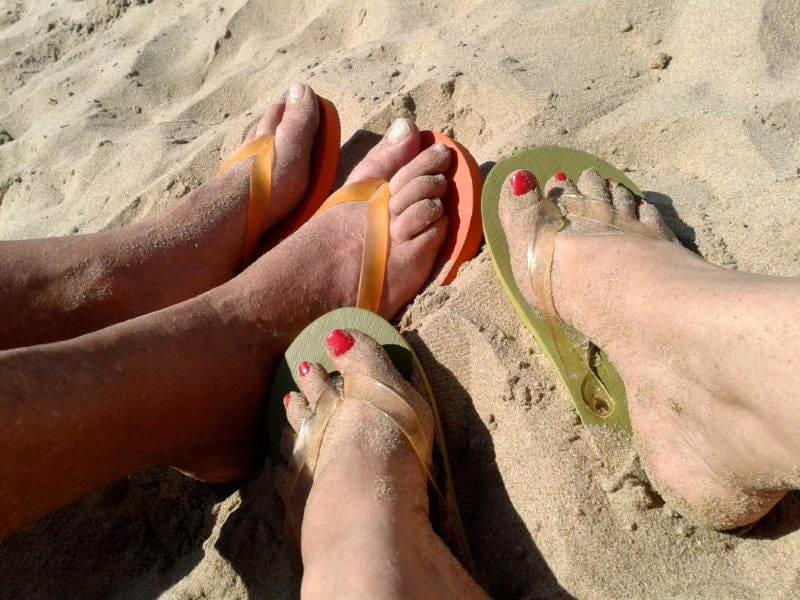

Comments ()