
7 Novel facts not everybody knows about Skukuza
Skukuza is far more than a convenient base in the Kruger National Park. Its position on the Sabie River, its layered history and its ongoing scientific role create a place that feels lived in, not staged.
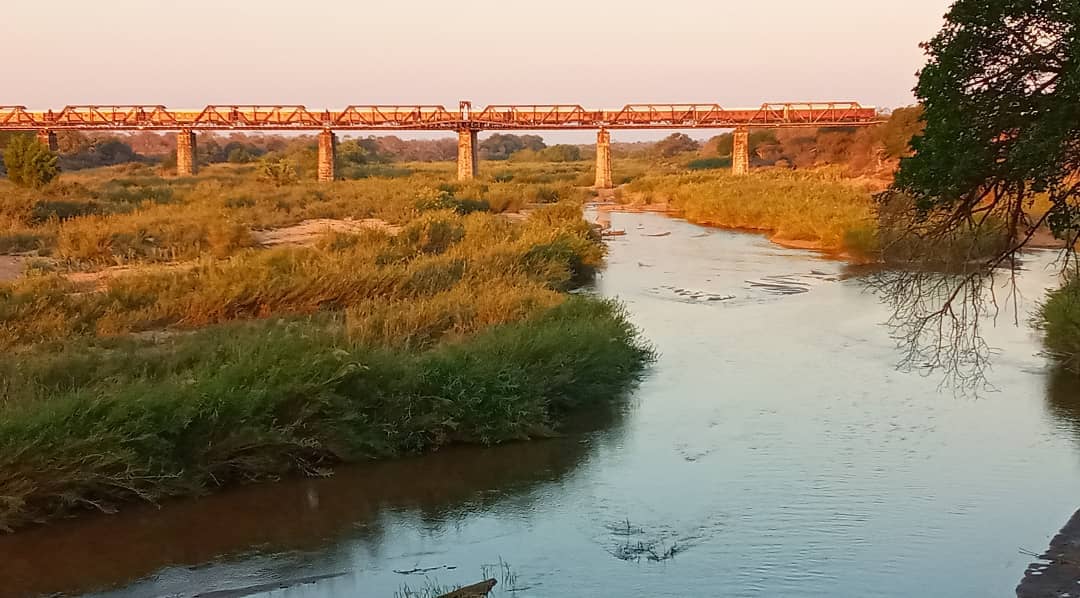
Skukuza often appears on itineraries as a convenient base in the Kruger National Park, yet the camp has a layered character.
Sitting on the southern bank of the Sabie River, Skukuza blends history, science, transport and wildlife in ways that surprise even frequent visitors.
These seven lesser-known facts offer a fresh way to read the landscape and understand why this place matters far beyond its accommodation blocks.
1. The name tells a story of authority and labour
Skukuza comes from a Shangaan word meaning one who sweeps clean. The name referred to James Stevenson-Hamilton, the park’s first warden, whose strict conservation ethic reshaped land use in the early 1900s. Local communities used the nickname half in jest, half in respect, recognising the forceful clearing of poaching and settlement that laid the foundation for modern conservation in the park.
2. The Sabie River is the camp’s quiet engine
The Sabie is one of the few perennial rivers in Kruger, flowing even in harsh drought years. This reliable water source explains the dense riverine forest of sycamore figs, jackalberry and marula around Skukuza. It also supports one of the highest concentrations of wildlife in the southern park, including hippo pods that shape the riverbanks nightly.
The camp’s layout follows the river’s curve, keeping development close to an existing ecological corridor rather than pushing deeper into bushveld.
3. Skukuza is the administrative heart of Kruger
While many visitors see only chalets and restaurants, Skukuza also houses offices, laboratories and staff housing of South African National Parks discreetly behind public areas. Researchers track elephant movements, river health and fire regimes from here, turning daily observations into long-term data.
This working backbone explains the camp’s scale and its role in shaping conservation policy across the country.
4. An active airport inside a national park
Skukuza airport lies a short drive west of the camp, with scheduled flights linking Kruger directly to Johannesburg and Cape Town.
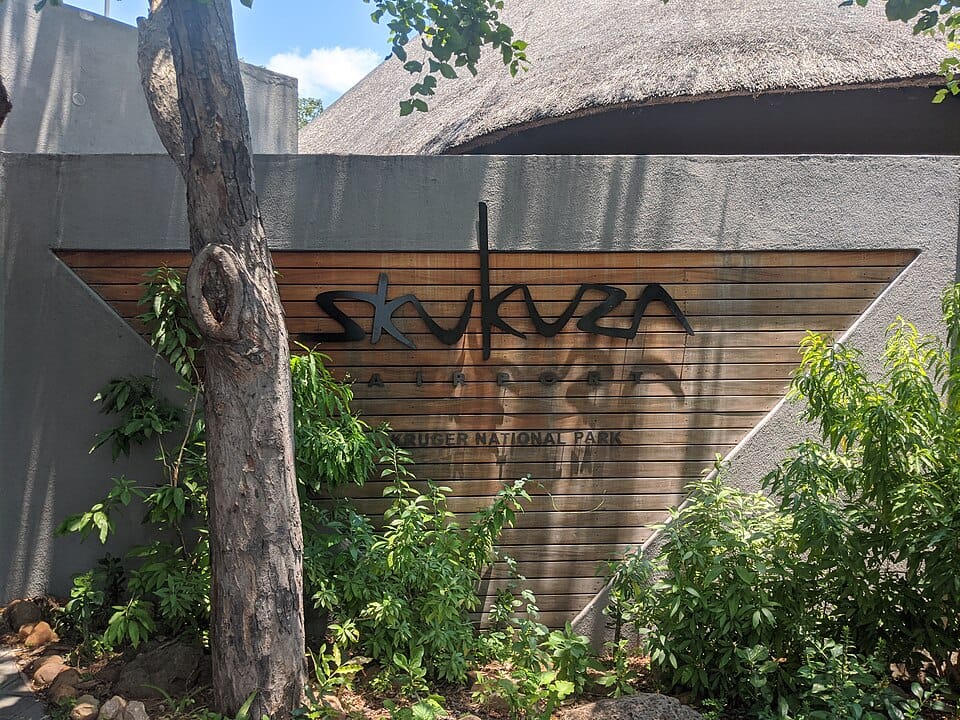
Few protected areas globally operate a commercial airport within park boundaries. The design reduces road traffic through neighbouring towns and limits long vehicle transfers, which lowers emissions and pressure on regional roads. Strict flight paths and operating hours protect wildlife movement below.
5. A railway bridge once defined access to the wild
Just outside camp stands the historic Selati railway bridge over the Sabie River, completed in 1912. The line once carried supplies and officials into what was then a remote reserve. Today, the bridge remains a striking reminder of early infrastructure, repurposed as a luxurious accommodation establishment. Its presence explains why Skukuza grew where it did, shaped by steel tracks rather than safari routes.
6. Wildlife shares space in unexpected ways
Skukuza has one of the few unfenced golf courses in the world. The nine-hole course operates without perimeter barriers, meaning impala graze fairways and warthogs treat bunkers as dust baths.
Play pauses when elephants wander through. This unusual coexistence reflects a broader philosophy within the camp, where human recreation adapts to animal movement rather than the reverse.
7. Sustainability here is practical, not performative
Behind the scenes, Skukuza runs one of the park’s largest water treatment and recycling operations. Wastewater is carefully processed to protect the Sabie River downstream, while solid waste is sorted to reduce landfill transport.
Energy-efficient retrofits have been introduced across older buildings, proving that heritage infrastructure can evolve responsibly. Ethical travel here is grounded in systems that work quietly every day.
Skukuza rewards those who look beyond the obvious. Its position on the Sabie River, its layered history and its ongoing scientific role create a place that feels lived in rather than staged.
For travellers moving through the southern Kruger, understanding these details turns a familiar stop into a meaningful destination.

Comments ()